


Efficiently managing resources is key to any successful operation, whether it’s a small startup or a multinational corporation. Every business has limited assets: time, money, equipment, and people. How well these resources are allocated and optimized often determines if a company thrives or just survives.
In the past, this was a manual process, relying on spreadsheets and intuition. Today, technology offers powerful tools that bring precision, foresight, and control, turning resource management from a reactive chore into a proactive strategy.
This shift lets organizations do more with less, cut down on waste, and react to challenges with greater agility. By using smart software, sensors, and data analytics, businesses can get a clear, real-time view of their operations, helping them make decisions that drive growth and sustainability.
Why Resource Management Matters
Resource management is all about planning, scheduling, and allocating resources to finish a project or reach an operational goal. The main benefits of resource management are boosting efficiency, cutting costs, and improving project outcomes. When done well, it stops common problems like employees burning out from too much work, projects getting delayed because equipment isn’t available, or budgets going over because of inefficient buying.
Think about a big construction company. Its resources include skilled workers, heavy machinery like cranes and excavators, raw materials, and a tight schedule. Without a strong management system, a crucial piece of equipment might get booked for two different sites at once, causing a big delay and financial penalty. A project manager might also assign a task to a team that doesn’t have the right skills, leading to rework.
Good resource management technology prevents these issues. It gives a central view of all available assets, so managers can put the right people and equipment on the right tasks at the right time. This not only keeps projects on schedule and within budget but also improves team morale by creating a more organized and predictable work environment. The result is a more competitive, reliable, and profitable organization.
Understanding Industry Terms
Bringing in new technology successfully takes more than just money; it requires truly understanding your operating environment. Every industry has its own language, full of acronyms, technical specs, and specialized jargon.
This vocabulary can be a big hurdle for teams trying to implement new software or hardware. If your staff doesn’t understand the terms related to a new system, they can’t use it effectively. Exploring the key aspects of your field’s language is the first step toward modernization.
For instance, the logistics and waste management sectors are packed with specific terms for vehicle types, disposal methods, compliance standards, and routing logistics. Trying to implement a new route optimization platform is almost impossible if the team doesn’t know the difference between a front-loader and a roll-off truck, or the rules for different material streams. To get the most out of advanced systems, everyone involved needs to speak the same language.
That’s why having clear definitions and resources is so valuable. For professionals in fields like public works or private hauling, understanding specific waste industry terminology is crucial for implementing new routing software or smart bin technology. Before you can optimize a process with tech, you first need a basic understanding of the process itself. Investing time in education and training ensures your technology investments reach their full potential.
Software for Smart Allocation
Modern resource management relies on specialized software that brings order to complex operations. These platforms move businesses away from messy spreadsheets and manual tracking, offering one reliable source of truth for all assets. Resource management software gives managers the visibility they need to make smart allocation decisions, predict future needs, and track progress in real time.
Different types of software serve various business needs:
Project Management Tools
Platforms like Asana, Trello, and Monday.com include resource management features. They’re great for creative agencies, software development teams, and other project-based organizations. They let managers see who’s working on what, monitor workloads, and adjust timelines to avoid bottlenecks.
Enterprise Resource Planning (ERP) Systems
Solutions from companies like SAP, Oracle, and Microsoft Dynamics offer a more complete approach. An ERP system combines resource management with other core business functions such as finance, HR, and supply chain management. This is ideal for large manufacturing, retail, or distribution companies that need to manage complex, interconnected operations.
Specialized Resource Schedulers
Some tools focus only on scheduling and allocation. These are popular in fields like healthcare for managing staff shifts, in consulting for assigning experts to client projects, and in education for scheduling classrooms and instructors.
No matter the type, the goal is the same: to replace guesswork with decisions based on data. This software helps ensure your most valuable resources, like your people and your equipment, are used where they can create the most value.
IoT and Sensor Integration
While software sets up the management framework, the Internet of Things (IoT) provides the real-time data that makes the system truly smart. IoT means embedding sensors, software, and other technologies into physical objects, connecting them to a network to send and receive data. In resource management, this creates a live feedback loop that changes how assets are monitored and maintained.
The applications are incredibly varied. In logistics, GPS trackers on trucks and delivery vehicles do more than just show location. They monitor fuel consumption, engine health, and driver behavior, helping fleet managers optimize routes, schedule preventative maintenance, and cut operational costs. A sudden jump in fuel use on a particular truck could signal an engine problem long before it causes a breakdown on the highway.
In agriculture, soil sensors measure moisture and nutrient levels, allowing smart irrigation systems to deliver water only when and where it’s needed. This saves a crucial resource while improving crop yields.
Similarly, in waste management, smart bins with ultrasonic sensors detect fill levels and automatically alert collection crews when they’re almost full. This stops unnecessary pickups of empty bins and prevents overflowing containers, leading to more efficient routes and cleaner public spaces. By connecting physical assets to a digital management system, IoT makes operations more responsive, efficient, and sustainable.
Optimizing Operations with Data
Software and IoT sensors are powerful tools for gathering information, but their real value comes when that information is used to make strategic decisions. Data analytics is the process of examining large datasets to find hidden patterns, connections, and other insights. When applied to resource management, it helps businesses move from reacting to problems to predicting them.
For example, a manufacturing plant can use data from machinery sensors to predict equipment failure. By analyzing patterns in vibration, temperature, and energy consumption, a machine learning algorithm can flag a component for replacement before it breaks down. This predictive maintenance avoids costly unplanned downtime and extends the life of expensive machinery.
Likewise, a retail chain can analyze sales data, inventory levels, and supply chain logistics to optimize stock. Instead of relying on last year’s sales figures, the system can consider current trends, local events, and even weather forecasts to ensure the right products are in the right stores at the right time. This reduces the risk of both stockouts, which mean lost sales, and overstocking, which ties up capital and warehouse space.
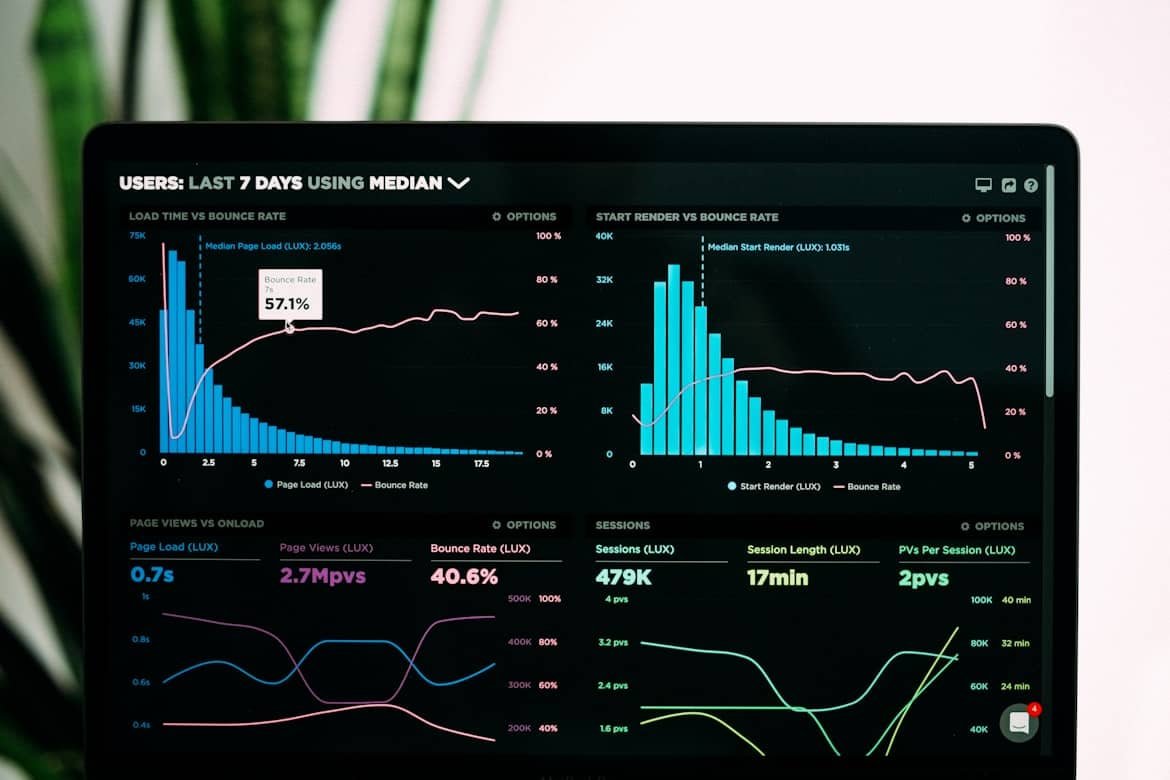
Business Intelligence (BI) dashboards visualize this data, presenting complex information through easy-to-understand charts and graphs. This allows managers at all levels to quickly grasp performance, spot trends, and identify areas for improvement without needing to be data scientists.
Ultimately, combining smart software, IoT, and data analytics creates a cycle of continuous improvement. It provides the tools not just to manage resources efficiently today but to build a more resilient and intelligent operation for the future.
