

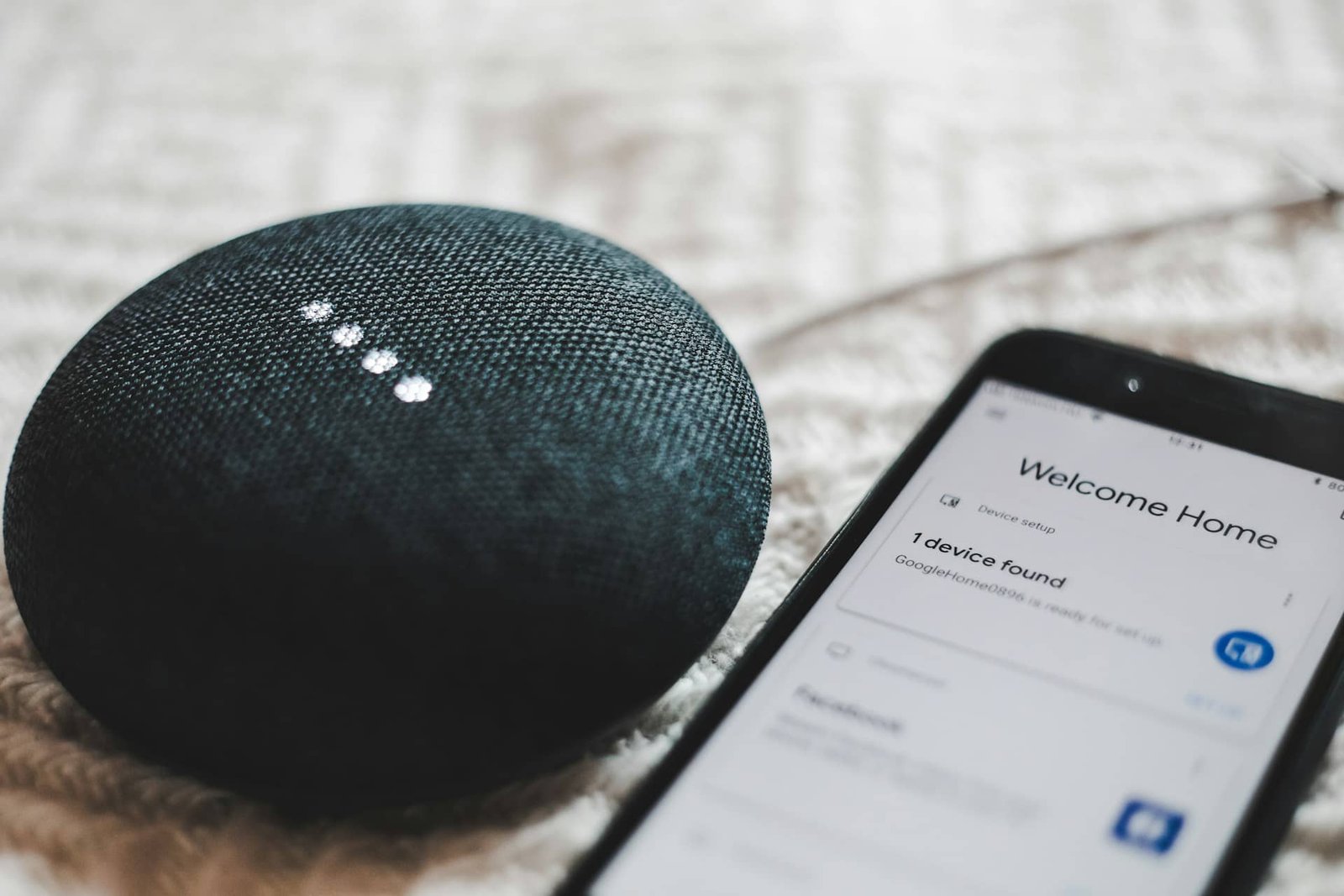

Smart appliances combine sensors, compact mechanical parts, and software to handle everyday household tasks with less manual input. A connected oven can regulate temperature, a refrigerator can warn you about an open door, and a washer can adjust its cycle after measuring the load. These features fit within the broader idea of a smart home system, where devices exchange information and respond to settings, schedules, or changing conditions.
Beyond the App: What Powers Smart Devices
The mobile app may be the most visible part of a smart appliance, but the real work happens inside its casing. A typical device contains a microcontroller, sensors, power-management circuits and mechanical components. The controller processes sensor readings and decides when to activate a heater, pump, motor, or fan.
A smart washer, for example, may measure water level, drum balance and temperature several times during one cycle. Its software then adjusts speed and timing to reduce vibration or avoid unnecessary water use. This approach reflects the same principles behind efficient resource management, where accurate data helps a system allocate energy and capacity where they’re needed.
Mini Motors: The Workhorses of Automation
Small electric motors create much of the movement inside household appliances. They rotate washing machine drums, drive dishwasher pumps, open ventilation flaps, and turn internal fans. Some run at one fixed speed, while electronically controlled models can vary their output as conditions change.
When diagnosing an appliance, check for physical symptoms before assuming the software has failed. Grinding sounds may point to worn bearings, while weak airflow can suggest a struggling motor, blocked passage, or dirty fan blade. Product terms such as Motor oven fans may be useful when identifying the general component category. Always compare voltage, dimensions, connector type, and part numbers before arranging a repair or replacement.
Optimizing Performance with Efficient Fans
Fans manage heat and airflow in ovens, refrigerators, dryers, and air purification systems. Good airflow helps an oven distribute heat evenly and allows a refrigerator’s cooling system to maintain its target temperature without running longer than necessary.
Simple maintenance can make a noticeable difference. Keep ventilation openings clear, remove dust from accessible grilles, and avoid packing food tightly against a refrigerator’s internal vents. Listen for rattling or scraping during operation, since those sounds can indicate debris, a loose fitting, or a damaged blade.
If airflow drops while the fan still sounds active, switch off the appliance and consult its manual. Internal electrical parts and concealed fan assemblies should be inspected by a qualified technician.
Connectivity and Control: The IoT Layer
The Internet of Things layer connects an appliance to other devices or online services. Wi-Fi is common where an appliance needs direct access to a home network, while Bluetooth often supports short-range setup. Some products also use low-power networking standards designed for sensors and home automation.
Connectivity enables remote status checks, maintenance alerts, and coordinated routines. The practical advantages of home automation include energy monitoring and easier control of connected systems. Still, every connection needs basic security. Change default passwords, enable automatic updates, and place smart appliances on a guest or dedicated IoT network if your router supports one. Before buying, check how long the manufacturer promises software support.
Future Trends in Appliance Engineering
Appliance engineering is moving toward smarter local processing and more precise component control. Edge computing lets a device analyze information inside the home, reducing its reliance on a remote server. A washer could identify an unbalanced load locally, for instance, while a refrigerator could detect unusual compressor behavior before performance drops.
Variable-speed motors and fans will also become more common because they can match output to real demand. Repairability will matter too. Modular circuit boards, accessible filters and replaceable mechanical assemblies can extend an appliance’s useful life.
The most useful advances will be the ones you barely notice: quieter fans, steadier temperatures, clearer maintenance warnings, and controls that continue working even when the internet connection doesn’t.
